


How Much Is Too Much? Rethinking Resilience in Movement and Life
- Amanda Coombe

- Jan 11
- 2 min read
Updated: Mar 6
How often do you reach the end of a demanding week and think: “Thank goodness it’s the weekend”? Or start a workout reluctantly, only to finish feeling sharper, lighter, and far more capable of facing challenges?
We all know that movement is powerful. It energises, hydrates, and builds resilience, not just in our muscles but in our mood, our mindset, and even our professional performance. The right kind of movement fuels creativity, enhances decision-making, and helps us adapt in the face of change.
But here’s the catch: not all movement builds resilience. In fact, too much of the wrong kind can do the opposite.
The Rise and Misuse of HIIT
Over the past decade, programs like CrossFit, F45, and P90X have surged in popularity. Marketed as High-Intensity Interval Training (HIIT), they promise transformation, fast results, and a “no excuses” culture.
True HIIT, however, is very specific: short bursts that push your heart rate above 90% of its maximum, followed by equal or longer recovery periods. It’s this balance, stress and then recovery, that drives progress.
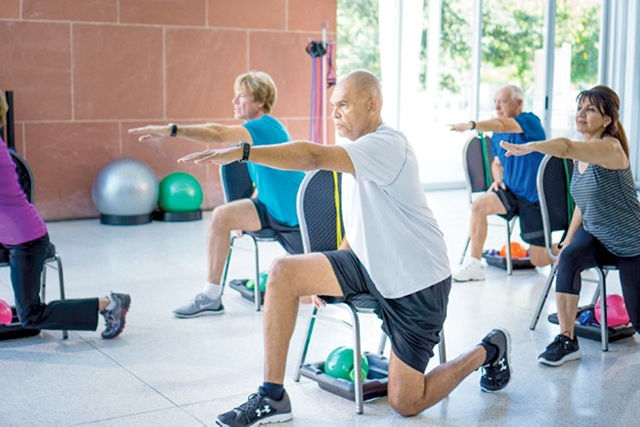
But many of these sessions aren’t really HIIT. They’re more like high intensity steady state training, fatigue sessions that leave people drained, sore, and running on stress hormones. And while they can feel productive, the truth is: they can cost us more than they give back.
The Resilience Paradox
Here’s where resilience comes in. Our bodies don’t distinguish between physical stress and mental stress. Back to back board meetings, relentless deadlines, caring for others, and then punishing gym sessions, our system registers them all as stress. Cortisol and adrenaline spike, recovery time shrinks, and what we call “fitness” becomes another form of burnout.
The paradox? Pushing harder doesn’t always make us stronger. Sometimes, it makes us more fragile.
Variability: The Key to Longevity
Real resilience isn’t built in smash sessions. It’s built through variability.
Lifting heavy loads one day and moving gently the next.
Adapting to awkward, unpredictable situations, whether in sport, business, or life.
Variability strengthens tissue, expands mobility, sharpens balance, and teaches the body and the brain to respond in multiple ways. That adaptability is the essence of resilience.
Warning Signs You’re Doing Too Much of the Wrong Kind of Training
Chronic stiffness or lingering pain
Limited mobility or strength in varied positions
Slow heart rate recovery after exertion
Struggling to get down to the floor and back up with ease
Loss of coordination or balance
Difficulty mastering new, complex movements
If these sound familiar, it may be time to rethink your approach.
From Fitness to Resilience
The goal isn’t to punish yourself into exhaustion, it’s to build the kind of adaptable, sustainable resilience that allows you to thrive in every part of life. For leaders, educators, and those working in high-pressure, high-responsibility environments, the lesson is clear: resilience isn’t about how much you can take, but about how well you can recover and adapt.
In business. In education. In life.
So next time you lace up your shoes or plan your week, ask yourself: Am I chasing exhaustion or building resilience for the long run?


